The Advantage of Preparation: Ways to Get the Most Out of Your Trip
April 3, 2026
Planning ahead can be the difference between a good trip and a great one—especially when you’re traveling to the remote fisheries of the Alaska Peninsula. At Aleutian Adventures, preparation isn’t just logistics. It’s part of the experience.
From what we’ve seen, anglers who get the most out of their week arrive physically prepared, with their gear dialed in and their travel plans squared away well before they step on the plane.
Here are a few ways to make the most of your week in the wild.
Prepare Physically (It Pays Off)
You don’t need to be an elite athlete, but you do need to be capable. Long days on the river over the course of a full week require balance, stamina, and strength.
If you don’t already have a routine, consider starting a simple exercise plan a few months before your trip. Walking regularly, combined with basic core and balance work, can greatly improve your endurance and confidence once you’re on the water.
Your time on the river is valuable, so it’s best not to spend the first day troubleshooting equipment.
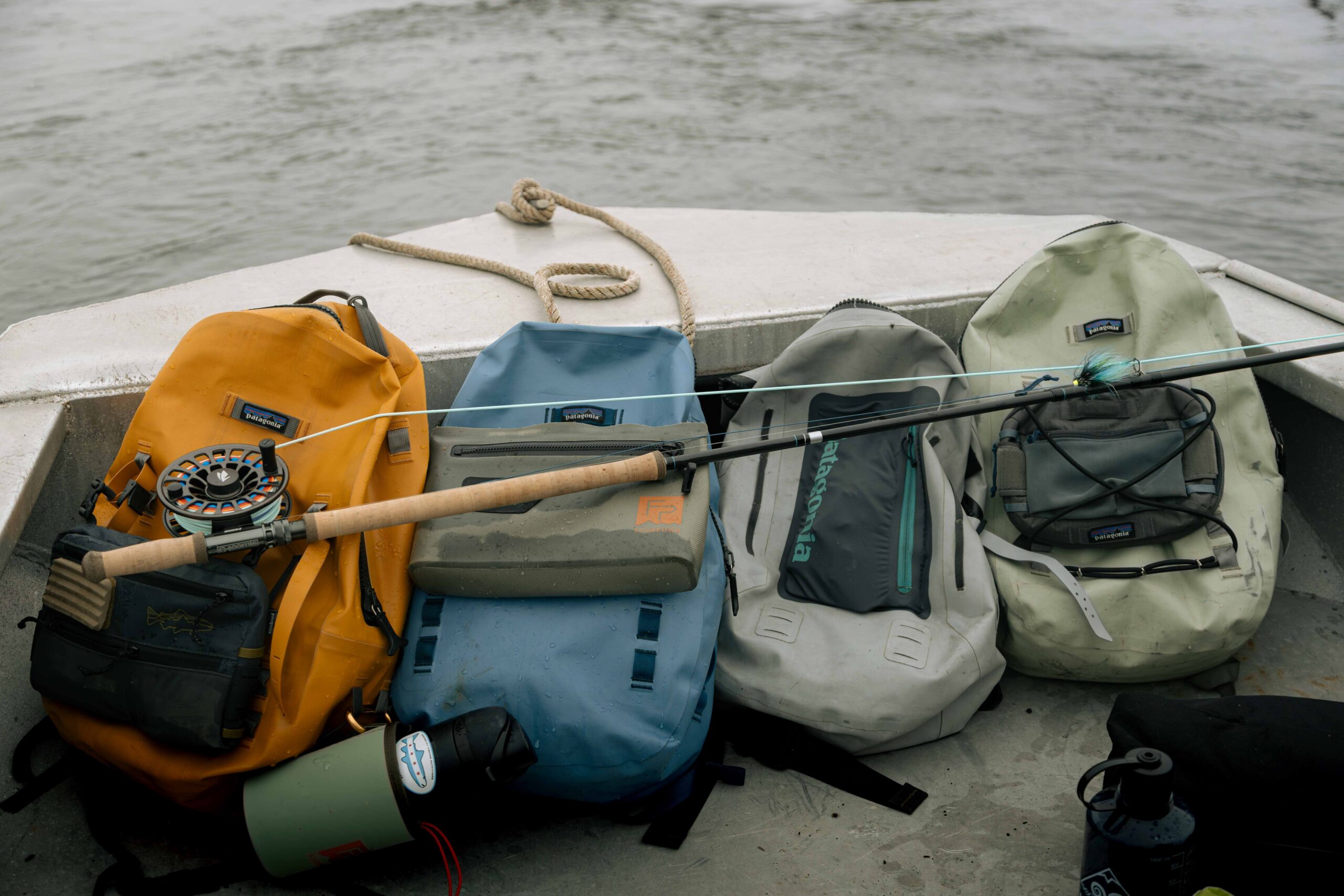
If you haven’t fished in a while, inspect and test all critical gear—waders, boots, rods, reels, and lines—to ensure everything is in good working order. Check for leaks, replace worn laces, clean fly lines, organize sink tips, and make sure reels are functioning properly.
If you’re bringing a new rod setup, spend time casting it beforehand. Understanding how your rod loads with different heads, lines, or sink tips will save valuable time once you’re on the river.
A little preparation at home ensures you arrive ready to make your first cast.
Plan Travel with Margin
Travel to remote destinations requires clean logistics. Small delays can ripple through your schedule, so building in margin makes the trip far less stressful.
Travel insurance is worth considering. These trips require significant planning and expense, and weather can affect travel. While insurance won’t give you back lost fishing time, it can soften the impact if delays occur.
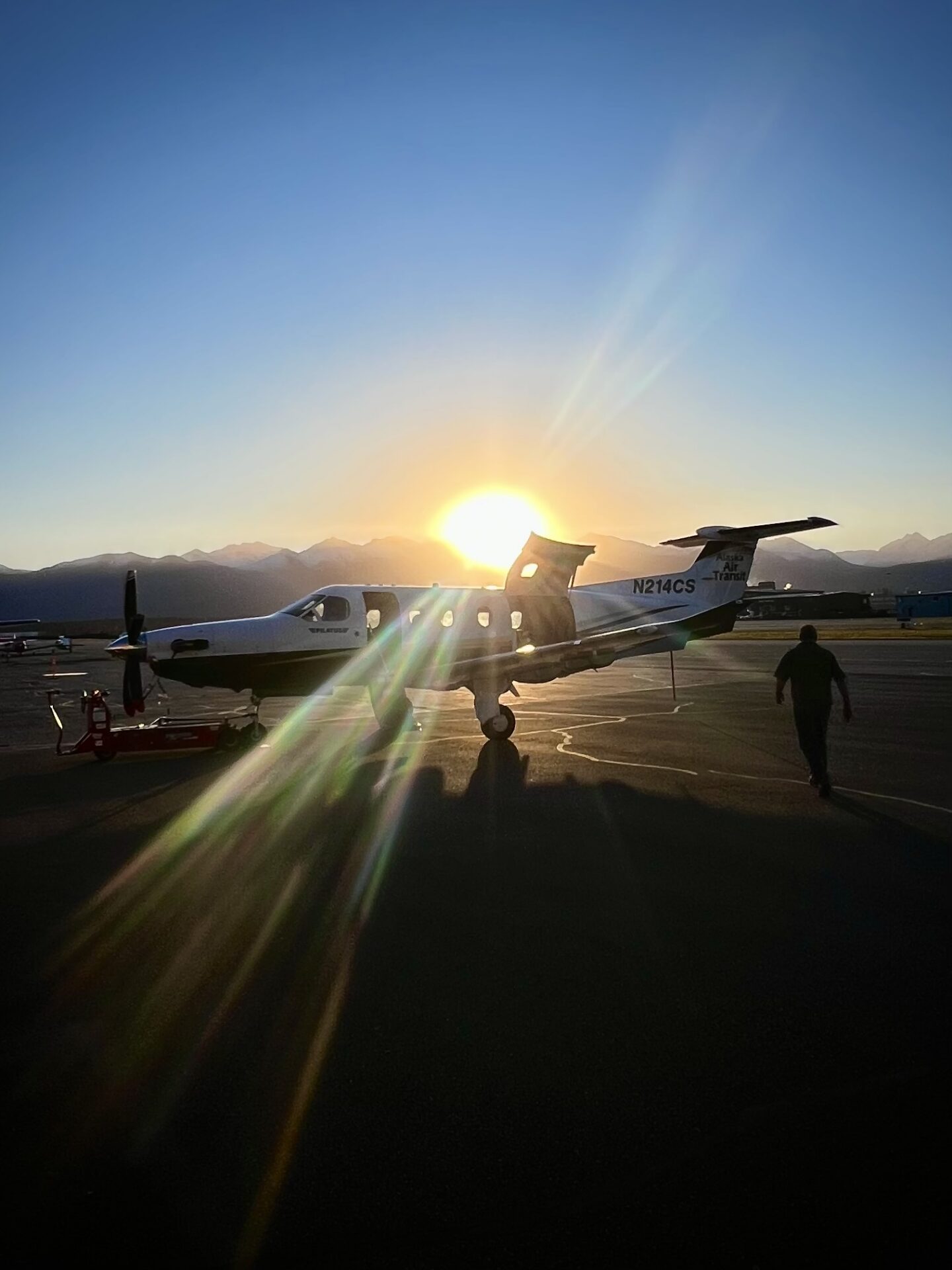
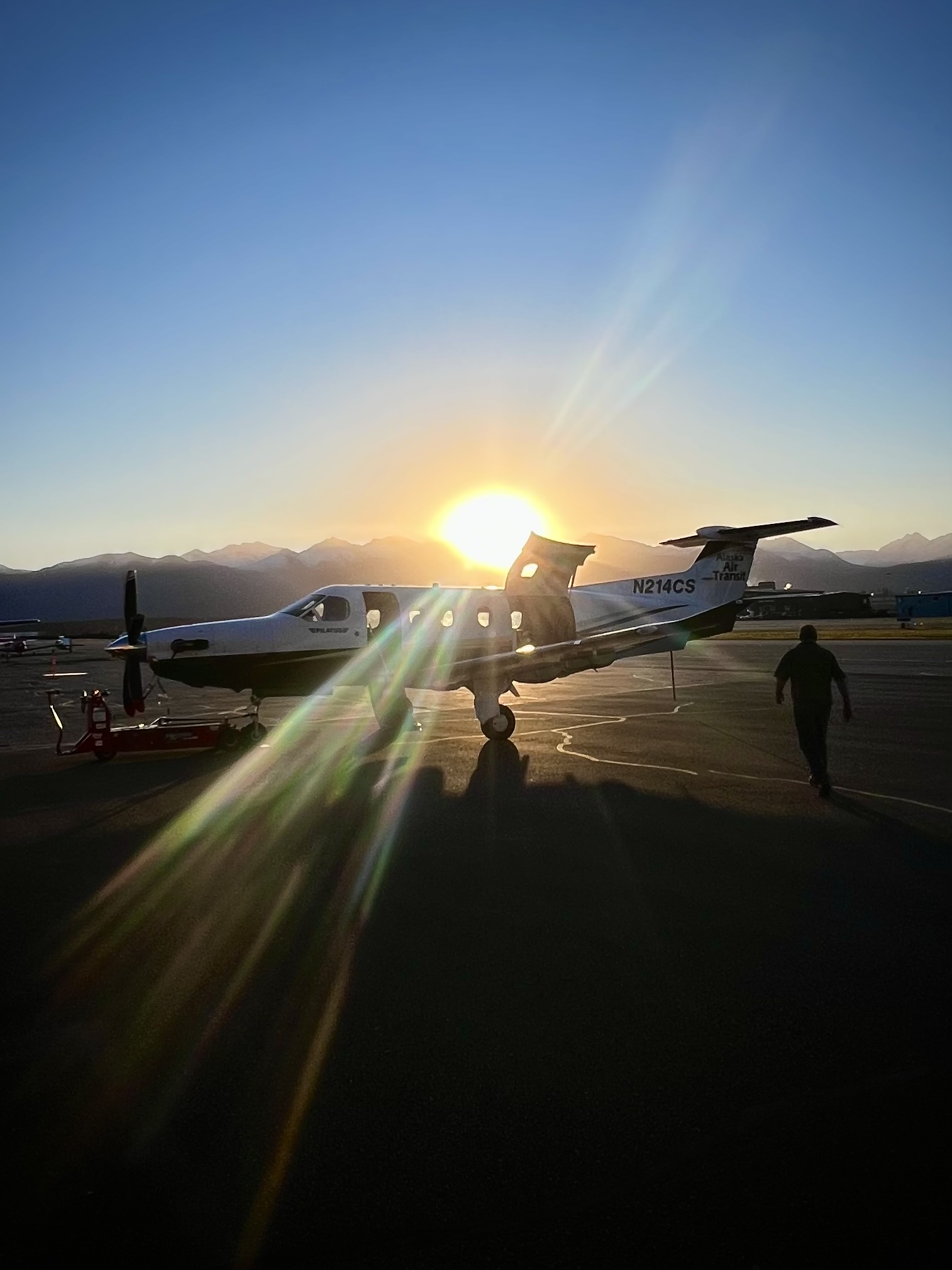
We strongly recommend arriving in Anchorage at least one day before your scheduled charter flight to camp. Charters depart in the morning, and arriving early helps prevent unexpected airline delays from disrupting your schedule.
On the return, consider leaving extra time before your flight home. Traveling from Merrill Field to Ted Stevens International Airport can become tight if your charter is delayed. Many guests choose to stay an additional night in Anchorage to keep the travel day relaxed.
Summer is peak tourist season in Alaska, and Anchorage hotel rooms fill quickly. Booking accommodations well in advance—especially near downtown for easy access to food and transportation—is highly recommended.
Set the Right Expectations
You are traveling to one of the most remote fisheries in North America. Weather shifts. Fish move. Plans change.
Anglers who have the best weeks tend to share a few common traits.
They bring patience. Anadromous fish runs fluctuate, and there will always be quiet moments. Staying focused through those lulls often leads to the most memorable opportunities.
They bring curiosity. The Alaska Peninsula is one of the most unique landscapes in North America, with deep cultural history and remarkable natural systems. Taking the time to learn about the place adds another layer to the experience.
They bring a willingness to learn. Our guides and staff come from diverse backgrounds in the outdoor world and are here to help you get the most out of your time on the water.
And they bring an appreciation for wild places. Sandy River Lodge, Sapsuk River Camp, and Steelhead Creek sit in landscapes that still feel largely untouched. The fishing is exceptional, but the setting is just as memorable.
Ultimately, maximizing your trip is about more than logistics. The Alaska Peninsula is defined by its scale, solitude, and the simple fact that it’s hard to reach. Conditions can change without notice. Some days exceed expectations, and others require patience.
Anglers who arrive prepared—physically, mentally, and logistically—put themselves in the best position to fully engage with the experience.
Planning ahead ensures you’re not just visiting a remote fishery.