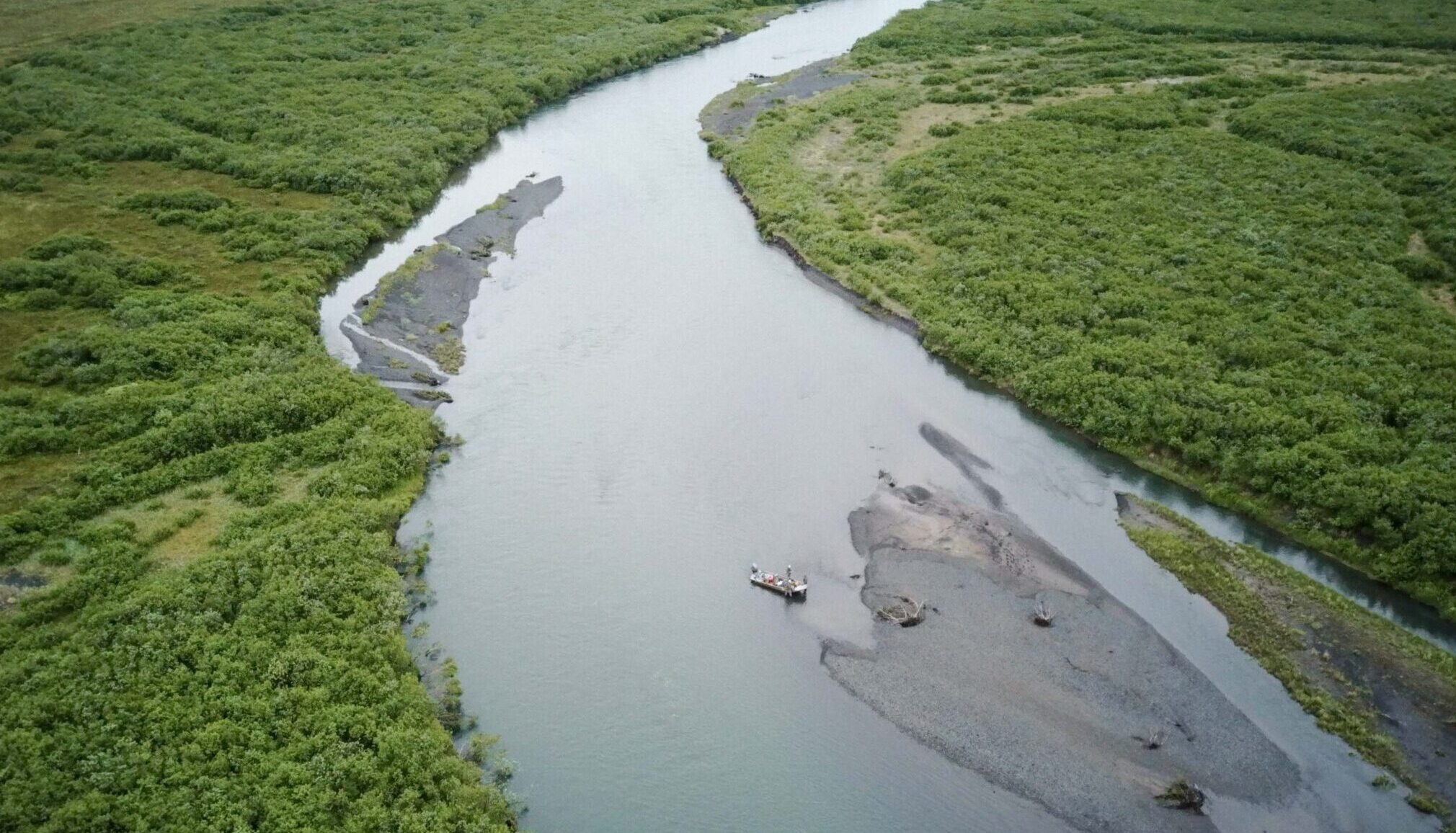
2026 Chinook Regulations on the North Alaska Peninsula
Conservation first. Opportunity follows.
May 4, 2026
The 2026 sport fishing regulations for Chinook (King) salmon on the North Alaska Peninsula are now in place. These changes reflect a more conservative, forward-looking approach to managing one of the last consistently strong wild king fisheries left.
It’s a direction we support—and one we’ve been pushing for.
The Big Picture
Working with biologists and managers at the Alaska Department of Fish and Game, these updated regulations are designed to protect spawning fish, stabilize escapement, and reduce pressure during key windows of the run.
This isn’t about reacting to a collapse. It’s about making sure one never happens.
2026 Chinook Regulations — What You Need to Know
For Bering Sea drainages of the Alaska Peninsula, the new rules are clear:
King Salmon 20” or Greater
Alaska Residents:
1 fish per day / 1 in possession
2 fish annual limit
Harvest record required
Non-Residents:
No retention allowed
All fish must be released immediately
King Salmon Under 20”
10 fish daily/possession limit
No annual limit
Gear Restrictions (Jan 1 – July 25)
Unbaited, single-hook artificial lures or flies only
Non-resident catch-and-release only is a meaningful shift. It protects the backbone of future runs—while still allowing anglers full participation in the fishery.
Paired with gear restrictions that reduce mortality, these regulations are built to do one thing well: keep fish moving upstream.
From what we see on the water every season, this is the right call. Some years are exceptional. Others are tighter. The long-term trend matters more than any single season—and these measures help keep that trend pointed in the right direction.
Built Into Our Program From Day One
The reality is, these regulations don’t change how we operate—they reinforce it.
Our Chinook program has always been structured around conservation:
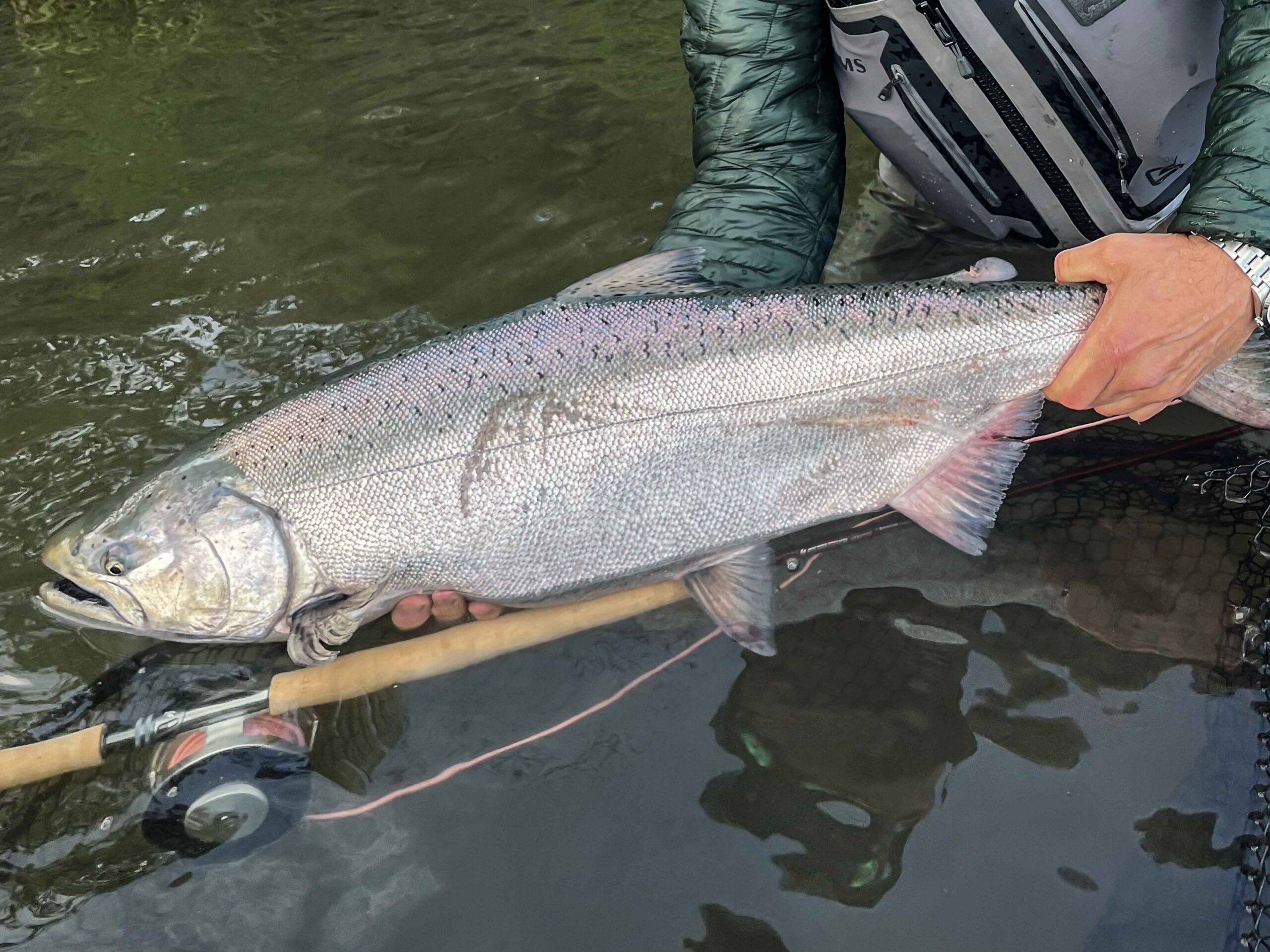
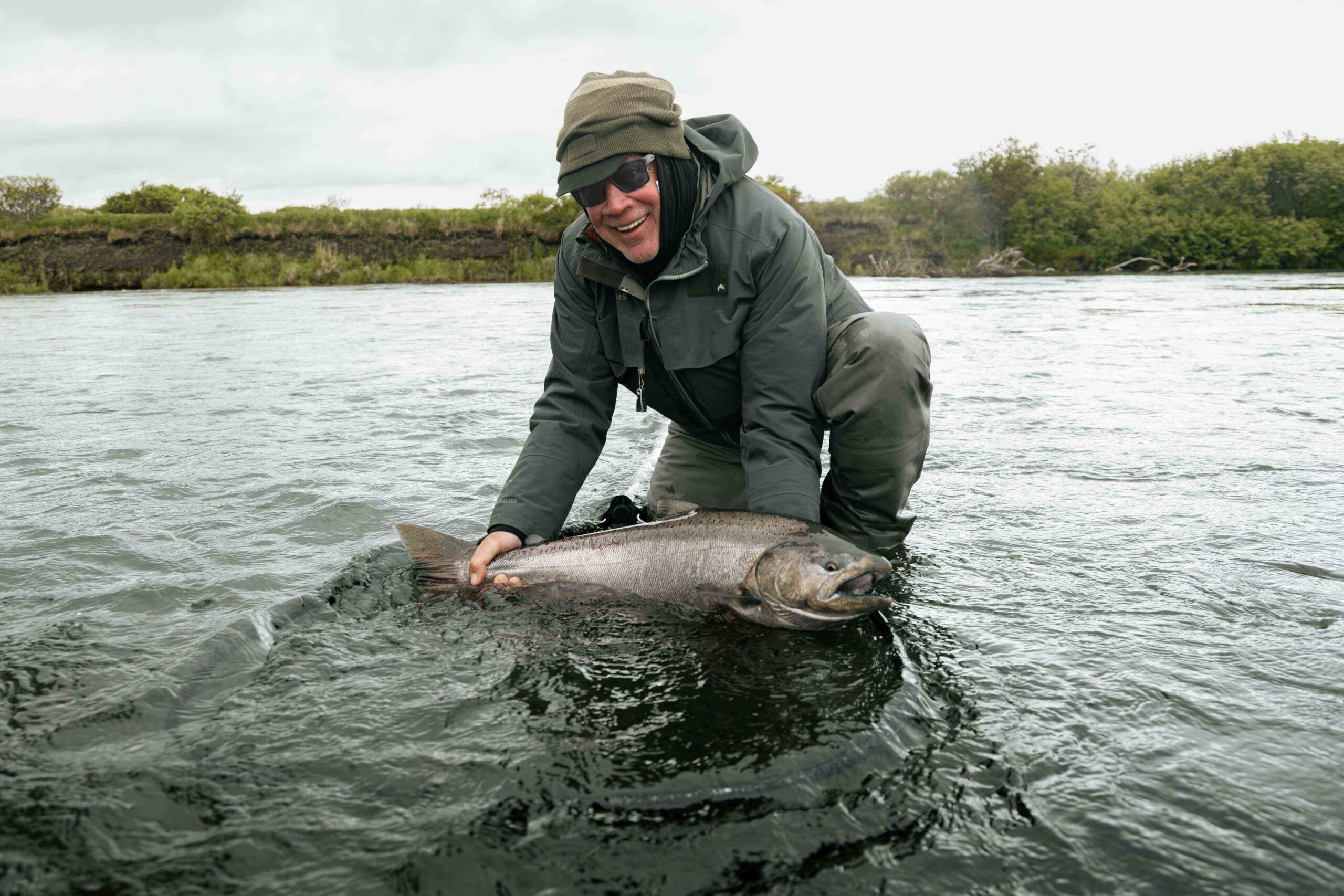
Swung fly and Catch and Release only
Single, barbless hooks
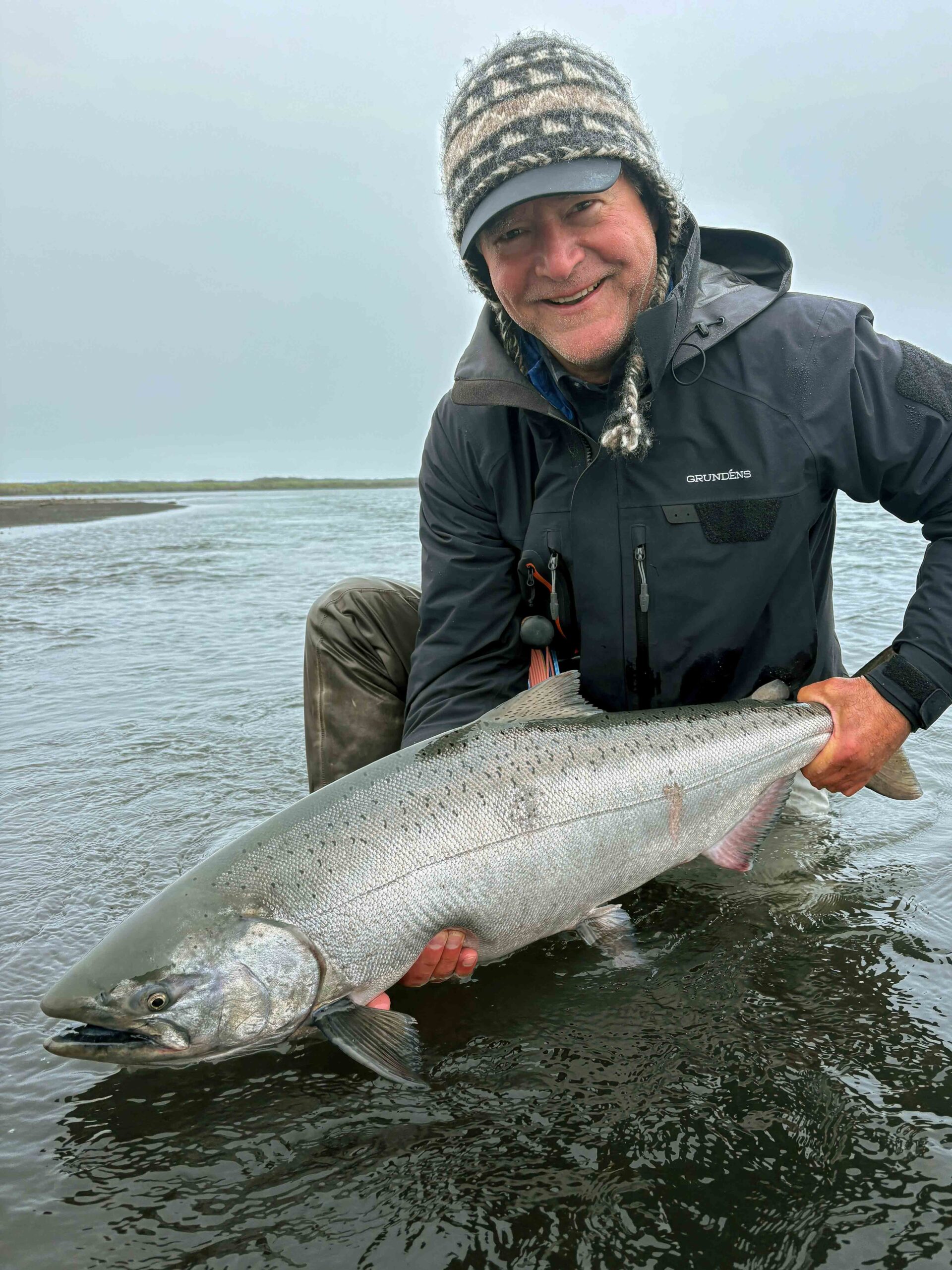
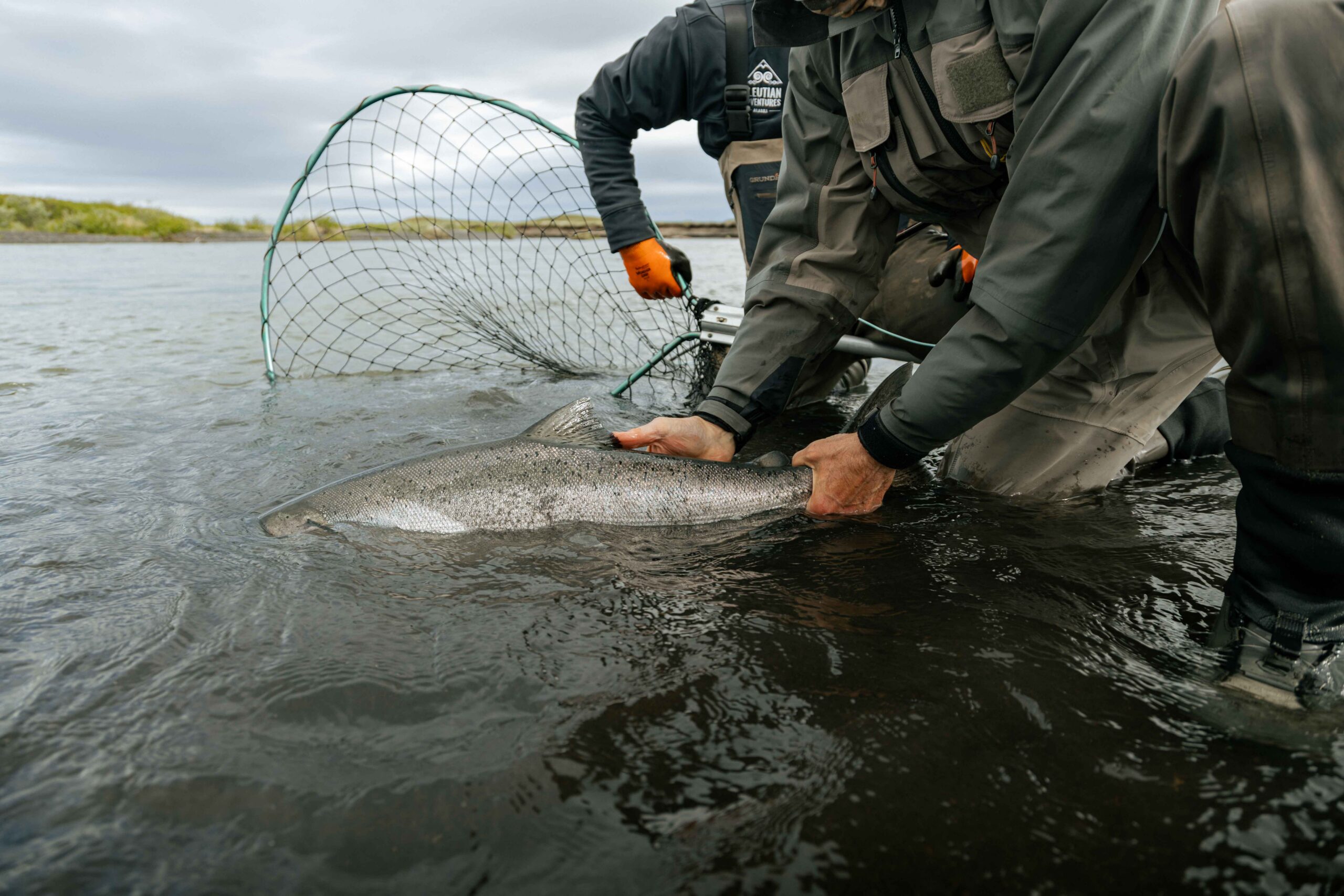
Fish kept in the water during release and photos whenever possible
We’ve taken this approach because it works—for the fish, and for the fishery.
These new rules simply align the broader system with the standard we’ve already been fishing by.
What It Means for Your Trip
If you’re fishing with us, the experience doesn’t change:
The grab still matters
The swing still matters
Covering water, reading fish, and fishing well still define the day
We fish the conditions. We fish the rules. And we create as many quality opportunities as possible for anglers committed to the swung fly—regardless of retention.
The Long Game
The North Alaska Peninsula remains one of the last places where wild Chinook salmon return in meaningful and consistent numbers. That’s not by accident. It’s the result of good habitat, responsible management, and anglers willing to take a long-term view.
We believe in protecting that.
These 2026 regulations are a step in the right direction—and we’re proud to stand behind them.
Know the regs. Respect the fish. Fish with intention.